

A new kind of product
These small pouches do not have tobacco leaf, but they do contain nicotine – and they’re made by the tobacco industry. Some are marketed as quit aids, but they’re not the same as approved nicotine replacement therapies (NRT) like patches, gum or lozenges.
What are nicotine pouches?
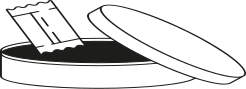
Nicotine pouches are small, white packets that go between your gum and lip. The nicotine absorbs through your mouth. They also contain:
Flavours like mint, citrus or coffee.
Sweeteners and plant fibres.
No tobacco leaf, but addictive nicotine.
Popular brands include:
Zonic- Legal in Canada (upto 4mg of nicotine, behind the pharmacy counter).
Zyn- Sold in U.S. (upto 15mg of nicotine; not legal in Canada).
Most approved quit aids like gum, lozenges, spray or inhalers contain just 1 to 4 mg of nicotine per dose. That’s much less than what some pouches deliver.
People usually use a pouch for 20 to 60 minutes. They do not require spitting and have no smoke or smell, so they’re very discreet.
What to know about nicotine pouches
1. Health effects
- Delivers fewer chemicals than smoking or vaping.
- Still exposes you to nicotine, which strains the heart and is addictive.
- Can irritate gums and cause hiccups or nausea.
- Long-term health effects are still unknown.
- No smoke, no burning and no carbon monoxide.
2. Regulations and availability
- Rules vary by region.
- In the Yukon, you must show ID to buy.
- Not yet required to have health warnings like tobacco products.
- Fewer marketing rules than for cigarettes.
- Tax and packaging rules are still evolving.
3. Who’s using them
- Some people use them instead of smoking or vaping.
- Others use them alongside cigarettes or vapes.
- Gaining popularity with young adults.
- Often chosen for their low-profile, no-smell use.
4. How they’re marketed
- Promoted as “clean” and modern alternatives to smoking.
- Features sleek tins and appealing flavours.
- Highlights lifestyle and convenience in ads.
- Promoted more heavily on digital and social platforms than traditional ads.
5. Harm reduction and quitting
- Reduces some harm compared to smoking, but not risk-free.
- Not approved by Health Canada as a quit tool.
- May help some people move away from cigarettes.
- Requires more research on safety and effectiveness.
Ready to quit?
The Quitpath program offers free support, resources, and cessation aids to help you leave smoking behind.